
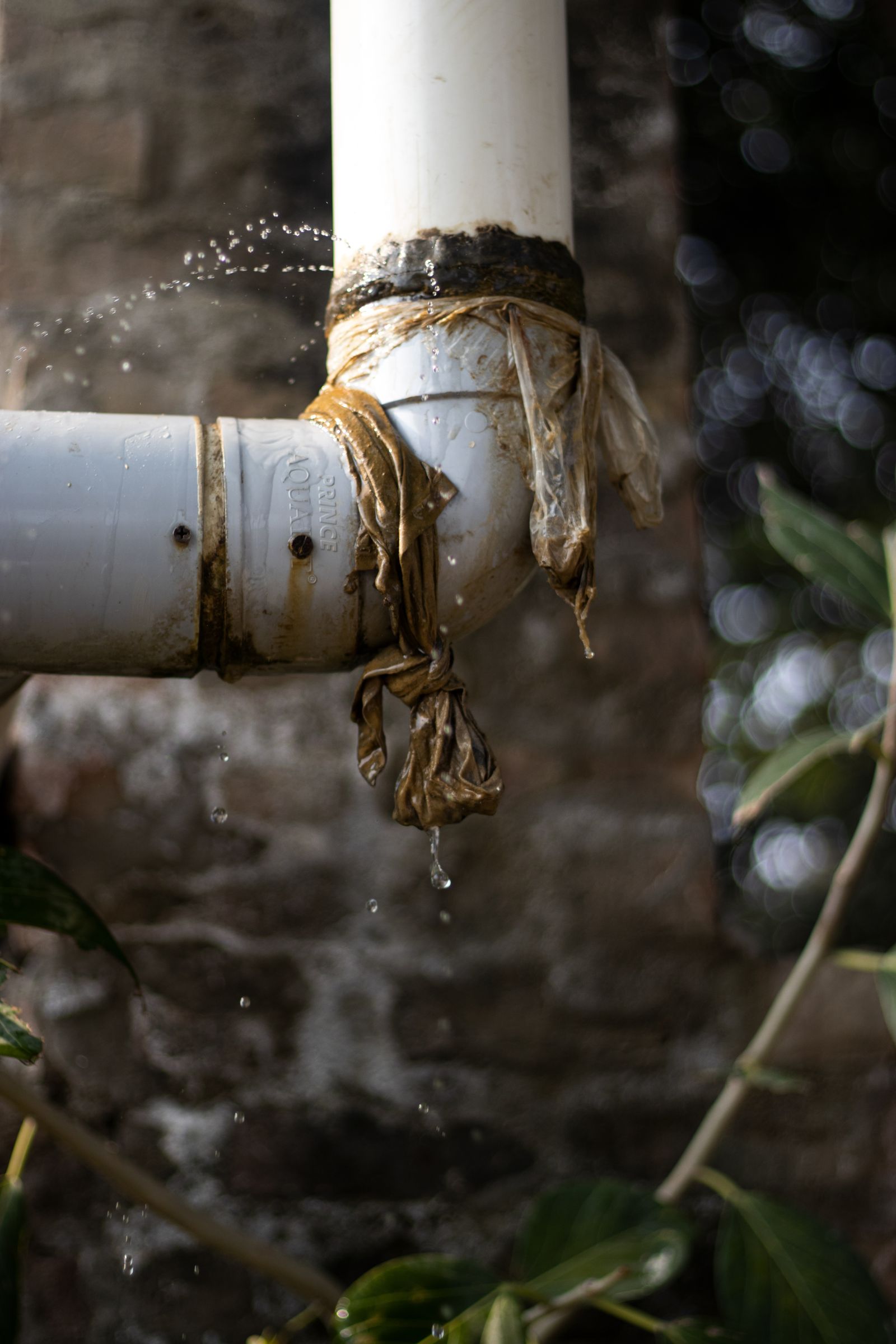
Most residential water damage doesn't come from a dramatic flood — it comes from a short list of ordinary causes that build up slowly until something fails. Here are five of the most common, and what tends to help.
1. Aging or Damaged Supply Lines
Flexible supply lines under sinks, toilets, and washing machines have a working lifespan, and they don't always fail gradually — sometimes they just let go. Checking these lines periodically for cracking, bulging, or corrosion, and replacing anything that looks worn, is one of the simplest preventive steps available.
2. Clogged or Overflowing Gutters
Gutters full of leaves and debris send water pouring down siding and pooling at the foundation instead of routing it away from the house. Over time, that pattern can lead to basement seepage or damage at the foundation line. Clearing gutters at least twice a year, more often under heavy tree cover, keeps water moving where it's supposed to go.
3. Water Heater Failures
Water heaters typically show warning signs before they fail outright — rust-colored water, popping or rumbling sounds, or moisture pooling at the base. A tank that's reached the end of its expected lifespan is worth replacing proactively rather than waiting for it to leak or rupture.
4. Slow, Hidden Leaks Around Fixtures
A slow drip under a sink or around a toilet base can go unnoticed for a long time, especially in a cabinet that isn't checked often. Periodically look — and feel — for dampness, discoloration, or a musty smell in these areas, since a small leak caught early is a repair, and one left for months can become a mold problem.
5. Sump Pump Failure
If your home relies on a sump pump, it's only useful when it's working. Test it periodically, especially before the rainy season, and consider a battery backup so it keeps running through a power outage — often exactly when it's needed most.
Building a Simple Seasonal Habit
Most of this comes down to a short seasonal checklist rather than constant vigilance: check supply lines, clear gutters, glance under sinks, and test the sump pump a couple of times a year. It's a small time investment compared to what structural drying and repair cost after the fact.
No amount of prevention eliminates risk entirely, but addressing these five areas closes off the most common paths water takes into a home.