
What It Is
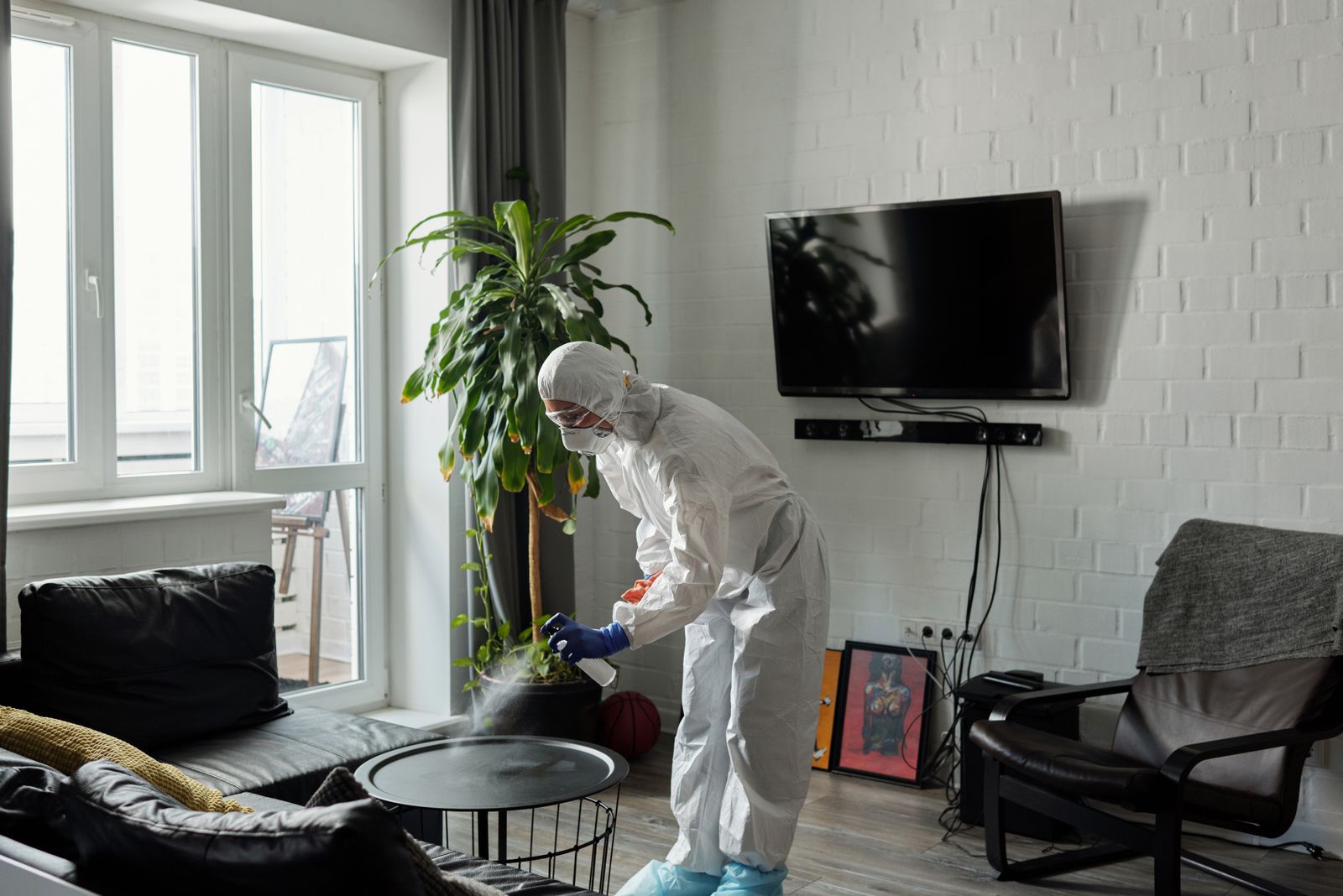
Sanitization is the cleaning step that makes a space safe to use again after contamination — whether that's from water that carried bacteria or sewage, smoke and soot residue, or mold spores disturbed during remediation. It goes beyond a visible clean, targeting the microbial contamination left behind by the loss.
We treat it as its own step rather than an afterthought, because a space can look clean and still carry contamination that a general cleaning pass wouldn't address.
What's Included
- Assessment of contamination type and which surfaces or contents are affected
- Application of professional-grade antimicrobial products
- Cleaning of hard surfaces, affected HVAC components, and salvageable contents
- Odor treatment paired with sanitization where smoke or moisture odor is present
- A final inspection before the area is cleared for normal use
What to Expect
- AssessmentWe identify the type of contamination present and which surfaces or materials it has reached.
- Surface preparationAffected areas are cleaned of visible debris and residue before treatment.
- Antimicrobial applicationProfessional-grade products are applied to surfaces and, where appropriate, salvageable contents.
- Odor treatmentWhere smoke or lingering moisture odor is present, we pair sanitization with odor treatment.
- Final inspectionThe area is reviewed once more before we consider it cleared for normal use.
When to Call
- Water damage involved contaminated water, such as a sewage backup or storm water
- Smoke or soot residue is present after a fire
- You’ve just completed mold remediation and want the area sanitized afterward
- You have general concerns about air quality or residue after any type of damage
Frequently Asked Questions
What’s the difference between cleaning and sanitization?
Cleaning removes visible dirt and debris. Sanitization specifically targets microbial contamination — bacteria, mold spores, and similar contaminants — that a standard clean doesn’t necessarily address.
Is sanitization needed after every water loss?
Not always. It depends on the water category — water from a clean supply line is treated differently than water from a sewage backup or storm intrusion, which carries a higher contamination risk.
Can you sanitize furniture and belongings, or just the structure?
Both, where items are salvageable. We assess contents individually to determine whether they can be safely sanitized or whether they need to be handled differently.
Is it safe to be home during sanitization?
Generally, yes, once products have been applied and allowed to work according to label guidance. We’ll let you know if a specific product or situation calls for anything different.