
What It Is
Structural drying is the engineered process of removing moisture that's been absorbed into a building's framing, subfloor, drywall, and other materials — the moisture you can't see just by looking at a room that appears dry on the surface. It's what stands between a water event and mold growth, warped flooring, or a musty smell that never quite goes away.
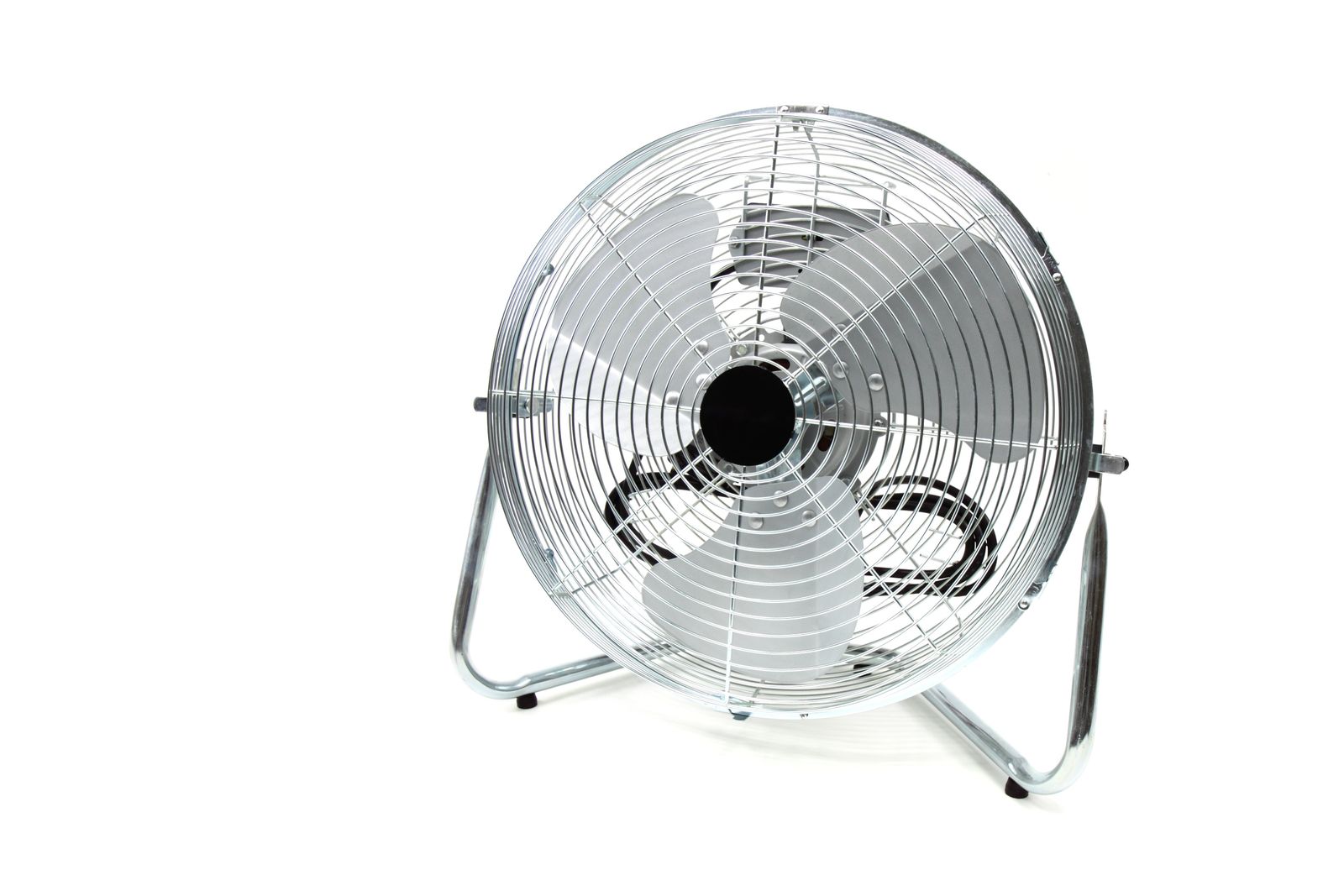
We place commercial-grade air movers and dehumidifiers based on moisture mapping, then monitor and adjust that equipment until every affected material reads back to a normal, dry level — not just until it looks dry.
What's Included
- Moisture mapping of walls, floors, and framing using professional meters
- Placement of commercial air movers and dehumidifiers sized to the affected area
- Daily monitoring and repositioning of equipment as materials dry
- Documentation of drying progress for your records and your insurer
- Drying to recognized industry standards before any rebuild work begins
What to Expect
- Initial moisture mappingWe test walls, flooring, and framing to identify exactly how far moisture has traveled.
- Equipment setupAir movers and dehumidifiers are placed and sized to the specific rooms and materials affected.
- Daily monitoringWe return to check moisture readings and adjust equipment placement as the space dries.
- VerificationMaterials are tested against a dry standard — not just visual inspection — before drying is considered complete.
- Clearance to rebuildOnce every affected material tests dry, the space is cleared for repair or reconstruction to begin.
When to Call
- Water has been extracted but materials still test wet
- A musty or damp smell is developing in a previously wet area
- You notice warping, bubbling paint, or buckling flooring
- DIY fans or a dehumidifier haven’t fully resolved a past leak
Frequently Asked Questions
How long does structural drying take?
It varies with how much material got wet, how porous it is, and how long water sat before drying began. Rather than working to a fixed timeline, we monitor moisture readings daily and continue drying until materials return to a normal level.
Is the drying equipment loud?
Yes — industrial air movers and dehumidifiers are noisier than household fans and typically need to run continuously for the drying process to work as intended.
What happens if drying isn’t done thoroughly?
Moisture trapped inside walls or subfloor can lead to mold growth, warped or delaminated materials, and a lingering odor that resurfaces later — which is why we verify with meters rather than relying on how a room looks or feels.
Can I turn the equipment off at night?
We ask homeowners not to, since consistent, continuous airflow and dehumidification is what keeps the drying process on track. We’ll talk through noise concerns and, where possible, adjust equipment placement to make it more livable.