
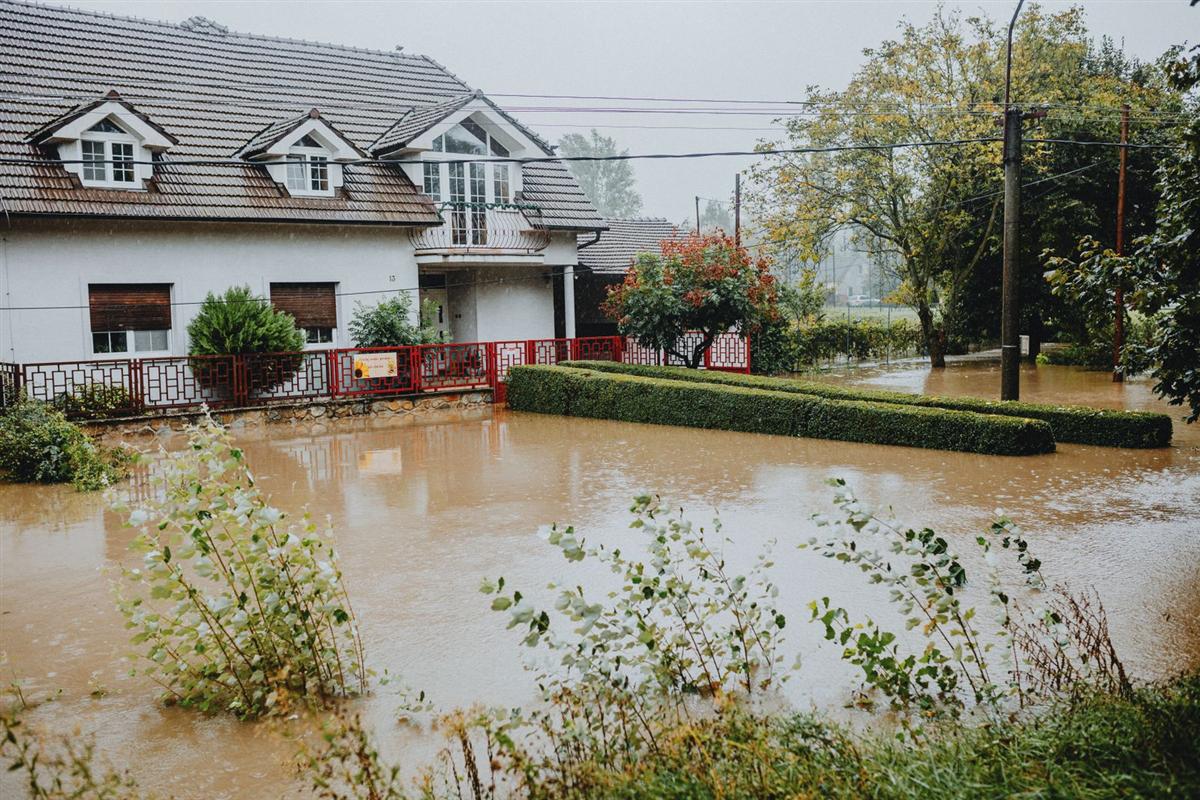
What It Is
Water damage restoration is the umbrella process that takes a property from actively wet and at risk to fully dry, cleaned, and repaired. It covers everything that happens after a pipe bursts, a storm gets past your roof or foundation, or an appliance fails: stopping the source where possible, removing standing water, drying the structure, and rebuilding whatever couldn't be saved.
We run this as one continuous job rather than a series of handoffs. The crew that shows up for the emergency call is backed by the same company that will still be involved weeks later when drywall goes back up, which means fewer gaps where details get lost between contractors.
What's Included
- Emergency response and an on-site assessment of the source and extent of the water
- Extraction of standing water from floors, carpet, and padding
- Moisture mapping of walls, flooring, and subfloor with professional meters
- Structural drying using commercial air movers and dehumidifiers
- Removal of unsalvageable materials such as saturated drywall or insulation
- Antimicrobial treatment of affected surfaces to reduce mold risk
- Documentation and coordination with your insurance company
- Repair and rebuild of the affected areas once drying is verified
What to Expect
- Call & phone triageYou describe what’s happening and we walk you through immediate safety steps while a crew is dispatched.
- On-site assessmentWe inspect the source, trace how far the water has traveled, and identify what can be saved.
- Extraction & drying setupStanding water is removed and drying equipment is placed to begin pulling moisture out of the structure.
- MonitoringMoisture levels are checked regularly until the affected materials reach a normal, dry reading.
- Repair & rebuildOnce everything tests dry, we repair or replace damaged materials and return the space to use.
When to Call
- You can see standing water anywhere inside the home
- A storm, roof leak, or foundation issue has let water in
- A pipe has burst or is leaking and you can’t stop it yourself
- The damage is more than a small, contained spill you can dry with towels
Frequently Asked Questions
How fast can you respond to a water damage call?
We take emergency calls 24 hours a day, 7 days a week, and dispatch a crew as soon as we understand the situation. Response time depends on where the property is located and current call volume, so it helps to describe the severity clearly when you call.
Will my insurance cover water damage restoration?
That depends on your specific policy and what caused the loss. We document our work thoroughly and can coordinate directly with your insurance company, but only your insurer can confirm what your policy covers.
Do I need to leave my home while it dries?
Most homeowners stay in the house during drying, since equipment is usually confined to the affected rooms. If the damage affects utilities, structural safety, or air quality, we’ll let you know if temporary relocation makes sense.
What’s the difference between water extraction and water damage restoration?
Water extraction is the first step — physically removing standing water. Water damage restoration is the full process, including extraction, structural drying, cleanup, and repair.