
What It Is
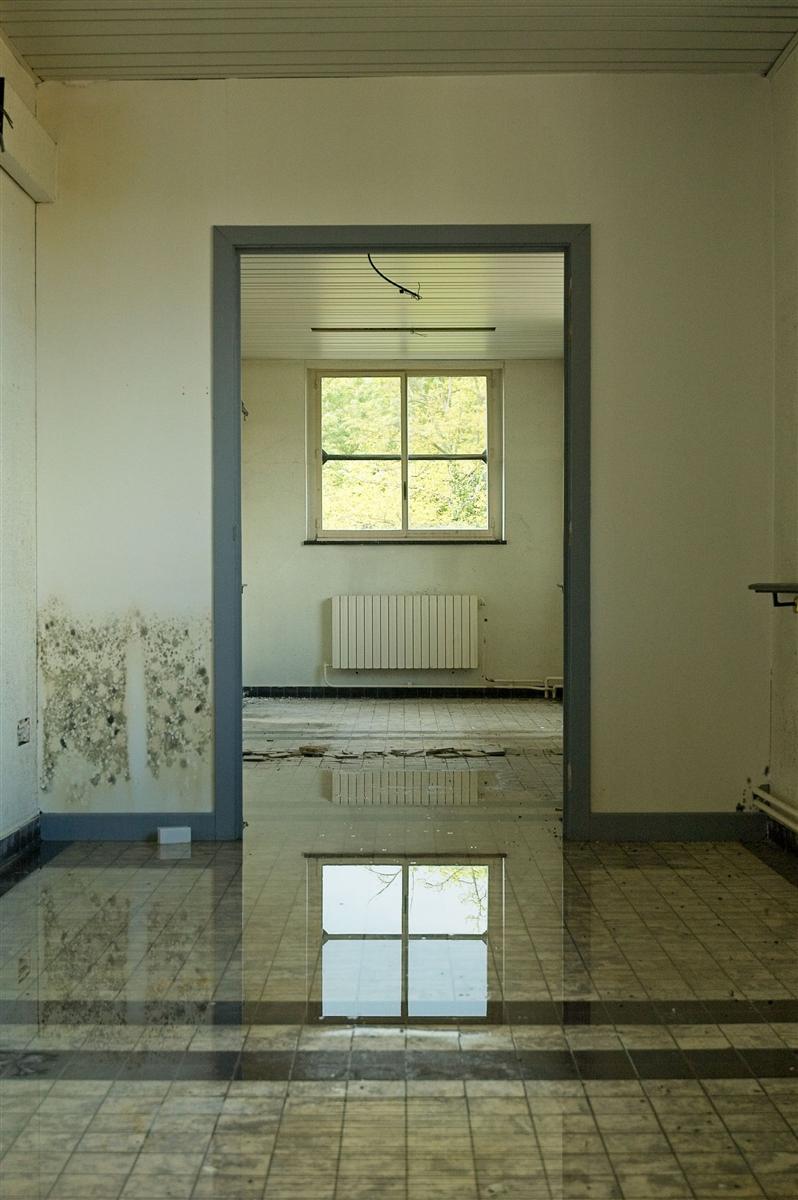
Water extraction is the first and most urgent step after a flood, leak, or overflow: physically pulling standing water off floors and out of carpet, padding, and other saturated materials before it soaks any deeper. The faster this happens, the less water has a chance to migrate into subfloors, baseboards, and wall cavities.
We use truck-mounted and portable extraction equipment depending on the size and location of the loss, so we can move quickly whether it's a single flooded room or water spread across multiple floors.
What's Included
- Rapid on-site response to stop water from spreading further
- Truck-mounted and portable extraction equipment for different job sizes
- Extraction from carpet, carpet padding, hardwood, and hard flooring
- Removal of water from accessible wall cavities and baseboards
- Initial moisture readings to guide the structural drying plan that follows
- Safe handling and disposal of contaminated water where applicable
What to Expect
- Arrival & safety checkWe confirm the area is safe to work in — checking for electrical hazards and contamination before equipment goes in.
- Stop the sourceWhere possible, we help stop or isolate the source of the water so extraction isn’t working against an active leak.
- ExtractionPumps and extraction wands remove standing and absorbed water from flooring, padding, and other materials.
- Initial moisture readingsWe take baseline readings across affected materials to plan the drying equipment placement that follows.
- Handoff to dryingExtraction transitions directly into structural drying so the property keeps moving toward a dry standard.
When to Call
- A burst pipe or supply line has flooded part of your home
- A washing machine, dishwasher, or water heater has overflowed or failed
- Storm water or groundwater has entered the property
- You have standing water that’s more than a superficial puddle
Frequently Asked Questions
How is professional extraction different from mopping it up myself?
A mop or wet vac handles surface water, but it won’t pull moisture out of carpet padding, subfloor, or wall cavities. Professional extraction equipment reaches the moisture that’s already been absorbed, which is what leads to mold and structural problems if left behind.
How quickly does standing water need to be removed?
As quickly as possible. The longer water sits, the further it travels into building materials and the higher the risk of secondary damage like mold growth, so we treat extraction calls as time-sensitive.
Can carpet be saved after extraction, or does it need to be replaced?
It depends on how contaminated the water was and how long it sat before extraction. Clean water extracted quickly often allows carpet and padding to be saved; water that sat for an extended period or came from a contaminated source usually requires replacement of the padding at minimum.
Is water extraction covered by insurance?
Coverage depends on your policy and the cause of the water intrusion. We can provide documentation of the extraction work to support a claim, but coverage decisions are made by your insurer.